

Thank you for your interest in the role of Chief Information Officer at the University of Roehampton.
At Roehampton, our purpose is clear: to change lives by helping students develop the confidence, knowledge and adaptability they need for successful careers and fulfilling lives. Grounded in the founding principles of our four Colleges, we are proud of our long-standing commitment to widening participation, inclusion and social progress.
As we look toward 2030, we are embarking on an ambitious programme of technology-driven transformation. Digital innovation sits at the heart of our strategy, enhancing how we teach, research and support our community. The CIO will play a pivotal role in delivering that ambition, working collaboratively with colleagues across the University to ensure that technology, data and digital services empower students and staff alike.
We are seeking an inclusive, forward-thinking leader who can inspire teams, challenge convention and translate vision into practical impact. You will bring strategic insight, operational excellence and a deep commitment to our mission of transforming lives through education.
If you share our values and have the drive to shape the next phase of Roehampton’s digital evolution, we look forward to hearing from you.





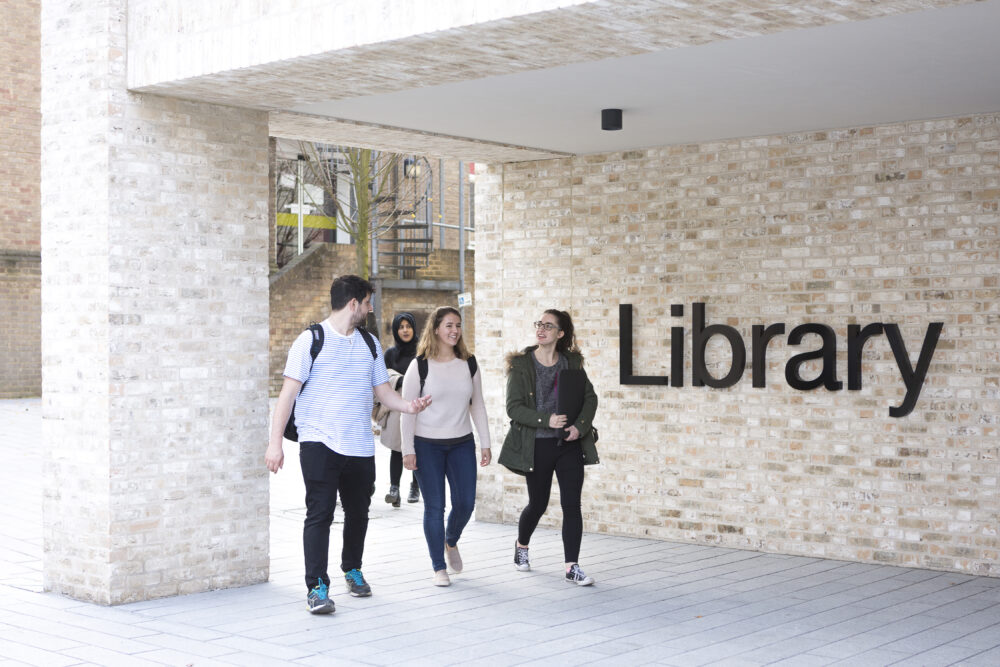

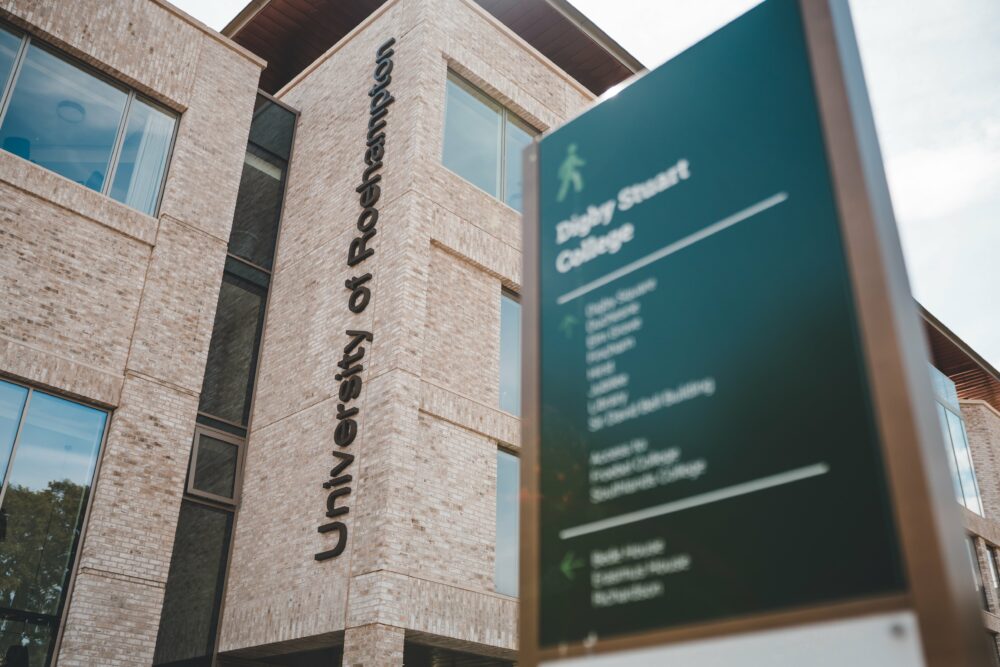

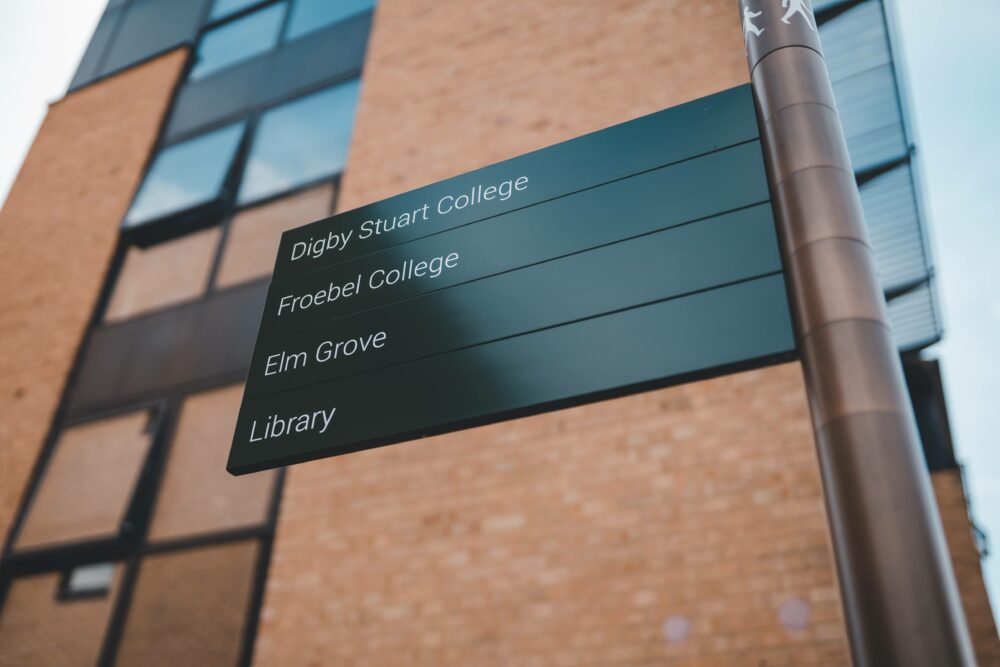
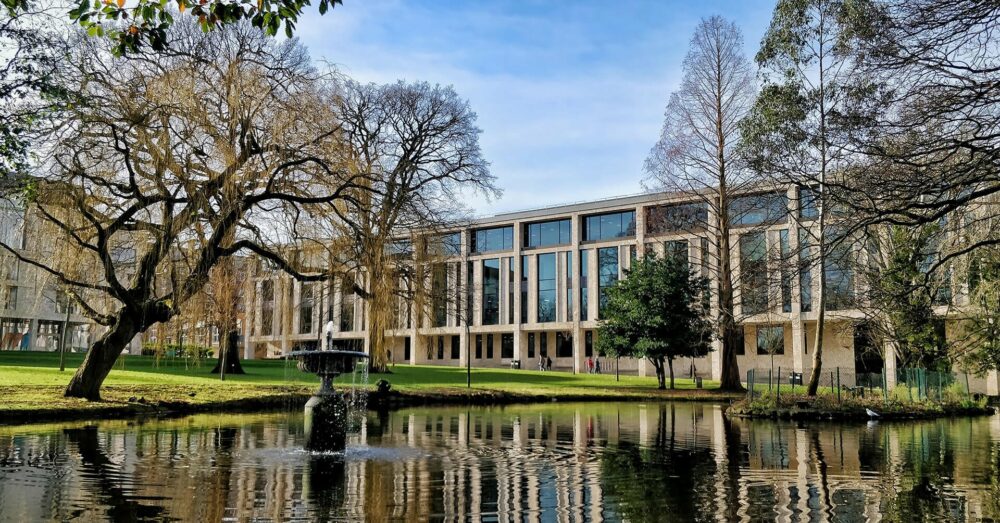







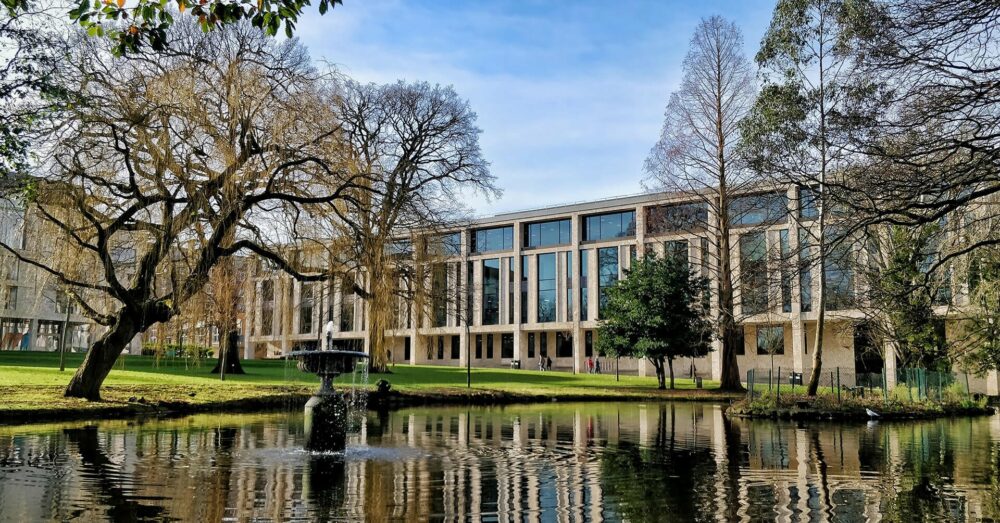
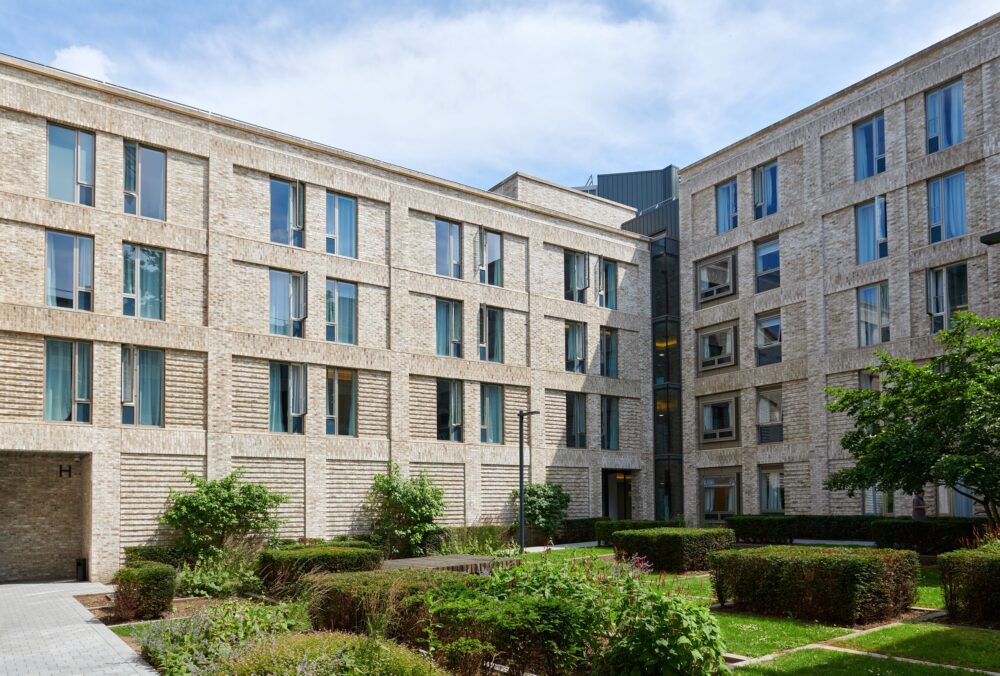




Roehampton has a history in education through our four Colleges dating back over 183 years. Our Colleges were founded in the 19th Century and were pioneers in teacher training. Through our oldest College, Whitelands, we have provided higher education to women for longer than any other university in the country.
Our four Colleges are:
Southlands College was founded in 1872 by the Methodist Church. This College is the home of the Faculty of Business and Law and the two Schools within it, namely Roehampton Business School and Roehampton Law School.
Whitelands College, established in 1841 by the Church of England, is the home of the School of Life and Health Sciences and the School of Psychology.
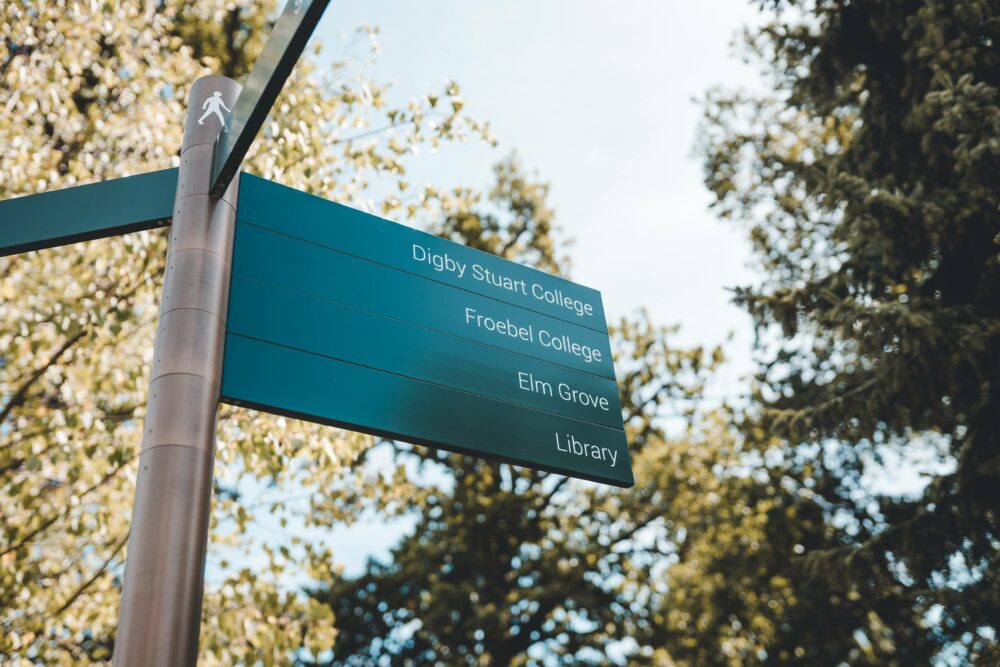
Digby Stuart College, founded by the Society of the Sacred Heart, a Roman Catholic religious congregation, in 1874, is the home of the School of Arts, Humanities and Social Sciences, and the Sustainable Engineering and Technical Education Centre.
Froebel College has secular foundations and was established in 1892. The College takes its name from Friedrich Froebel, the German educational pioneer and is the home of the School of Education and the School of Continuing Education.
The values of social progress inspire the educational missions of all our four colleges. These values, in turn, inform the academic life of Roehampton, including our teaching, research and engagement with communities and organisations locally, nationally and internationally.
Today, our Colleges help us provide the friendly, welcoming community that makes Roehampton so distinctive, supporting student wellbeing, social life and the wider student experience. They also help engage our thriving global community of graduates to engage in socially responsible behaviours and reflective practice.
Our Purpose
Our Commitment
Our Campus
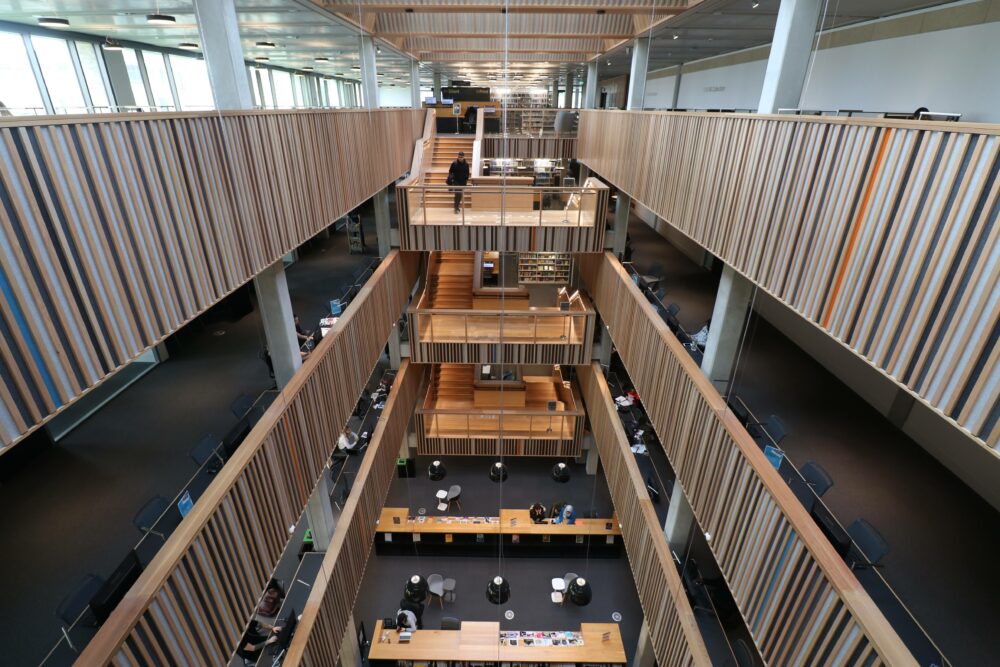
Our beautiful parkland campus is in southwest London, close to Putney, Hammersmith and Wimbledon, and within easy reach of central London. In addition to stunning gardens and heritage buildings, including a conference centre, it has state-of-the-art specialist teaching facilities, a world-class library and a media centre with its own teaching cinema. The campus continues to undergo transformation to accommodate new curriculum areas and saw the opening of our Mary Seacole Health Innovation Centre in 2022. This year we will start on the construction of new Engineering teaching facilities.
Studying and working with us gives our students and staff the best of both worlds: the friendly community feel of a traditional university campus, and the energy, culture and connections of one of the greatest cities in the world.
Mission & Vision
Roehampton’s mission is “transforming lives through professionally focused education, equipping our students with the confidence, knowledge and skills for successful careers and fulfilling lives. Our vision by 2030 is to be “a leading university that mobilises the potential of students from all backgrounds and enhances the communities we serve”
We are proud of our widening access and social justice support, our student body is more than twice as ethnically diverse as the UK higher‐education average and we support nearly three times the national average of students from the most deprived areas and have almost double the UK average rate of first‐generation university students
Our 2030 Strategy and Strategic Themes
Education (Student experience and learning)
Inspiring education that is career‐focused, flexible in entry and study modes, and provides tailored student support.
The University commits to treating students as partners, supporting them to flourish, and placing student success at the heart of everything.
Strategic goals include: building professional experience and networks for students; offering versatile entry points; data‐led teaching and support.
Research & Engagement (Impact, knowledge creation, community)
The University aims to deliver “innovative and impactful research” in strategic areas including community health, sustainable growth and the journey to net zero.
The research agenda will be collaborative and inclusive, opening pathways for students and broader career opportunities.
The student community is also to be co‐creators in research, widening opportunities for progression to postgraduate study.
Investment (Growth, sustainability, technology, operations)
The University commits to growing and diversifying its portfolio of courses and activities to enhance resilience.
It emphasises sustainable operations, including environmental sustainability and investing using a long‐term view.
Crucially for the CIO: the strategy identifies “technology-driven transformation” as one of the five key focus areas.
Key Enablers & Priorities for 2030
Flexible and lifelong learning: courses and entry modes that adapt to evolving student needs and professional contexts.
Global connectedness: partnerships UK and overseas, more diverse student body (including internationals), alumni networks.
Inclusivity and social justice: ensuring students from all backgrounds succeed; inclusive environment for staff and students; drawing on the founding college values.
Technology and data: leveraging new technologies (including AI) to enhance teaching, research and services.
Sustainable campus and operations: embedding net zero ambitions, sustainable procurement, efficient operations.
Implications for the CIO role
The CIO has a central role in delivering the “technology‐driven transformation” agenda: shaping digital infrastructure, teaching & learning technologies, student support systems, data analytics for student success.
Given the focus on flexible and lifelong learning, the CIO must support blended/online delivery models, scalable platforms, and seamless student experiences across modalities.
The commitment to inclusivity and social justice means IT services must support accessibility, equity of access regardless of background or mode of study, and robust data systems for monitoring and improving attainment gaps.
The research and engagement theme indicates that the CIO will need to partner closely with academic and research staff to enable data-driven research, knowledge exchange, global collaboration platforms, and research IT infrastructure.
With sustainability and portfolio diversification flagged, the CIO must ensure operations are efficient, sustainable, resilient (including via digital technologies), and can support diversification of programmes and global partnerships.
In sum the CIO role is strategic, high‐profile, integrative across teaching, research and operations.
Growing Potential, Unlocking Success positions Roehampton as an inclusive, professional-focused university for the 21st century: one that transforms lives, opens opportunities and uses technology, research and partnerships to do so. The CIO will be a key driver of that transformation: enabling the digital backbone, data architecture, learning technologies and operational systems that underpin the University’s ambition.
JOB DESCRIPTION
Chief Information Officer
University of Roehampton, London
Reports to: Chief Operating Officer
Responsible for: IT Services, AV and Technical Services, Cyber Services
Location: Roehampton, West London (with opportunity for flexible working)
Salary: Competitive, commensurate with experience
The Role
The University of Roehampton is at a defining point in its strategic journey. As we deliver our Strategy 2030: Growing Potential, Unlocking Success, technology sits at the centre of our ambition to transform lives through education, research and engagement. The Chief Information Officer will play a pivotal role in realising this vision by leading the delivery of a modern, agile and innovative digital environment that enables academic excellence, operational efficiency and institutional resilience.
Reporting to the Chief Operating Officer, the CIO will lead a team of around 75 staff and manage an operating budget of approximately £8 million. The postholder will provide strategic leadership of IT Services, AV and Technical Services and Cyber Services, ensuring that technology underpins every aspect of the University’s mission.
As with much of the sector, Roehampton operates in a resource-constrained environment, so creativity, value for money and an entrepreneurial approach to problem-solving will be essential. The successful candidate will have an opportunity to build a case for investment in technology, but will also be expected to think imaginatively about how to achieve maximum impact with the resources available, ensuring that the University’s digital assets deliver measurable benefits for teaching, research and the student experience.
The CIO will be both visionary and pragmatic, capable of shaping strategy while ensuring robust delivery, compliance and long-term value. They will work closely with academic and professional service leaders to reimagine how technology supports learning, research and operations, ensuring Roehampton continues to thrive as an inclusive, forward-looking university.
Key Responsibilities
Strategic Leadership and Vision
Operational and Service Excellence
Digital Transformation and Innovation
Leadership and People Development
PERSON SPECIFICATION
Qualifications
Experience
Knowledge and Skills
Personal Attributes
Location
The post is located in Roehampton, with hybrid working arrangements.
Salary
Competitive salary dependent on relevant skills and experience.
Pension
The university provides access to a Royal London defined contribution scheme. The university supports excellent contribution rates to the scheme.
Private health insurance
Private health insurance will be offered as a taxable benefit
Annual leave
31.5 days per annum.
Family friendly
Excellent provisions in relation to family friendly leave and pay. Employee Assistance Programme 24/7 Confidential Support Staff and family members in their household have access to a free, external confidential support service for work, financial, legal, family and personal problems 24 hours a day, 365 days a year.
Anderson Quigley is acting as an advisor to the University, an executive search process is being carried out by Anderson Quigley in addition to the public advertisement.
The closing date for applications is noon on Monday 1 December 2025
Applications should consist of:
Should you wish to discuss the role in strict confidence, please contact
Sophie Rees on sophie.rees@andersonquigley.com +44 (0)7719 166 057 or Ed Pritchard on ed.pritchard@andersonquigley.com, +44(0)7980 817 927.
| Closing date for applications | Noon, 1 December 2025 |
| Informal Sessions with the Chief Operating Officer | In advance of the interview |
| Stakeholder Meeting and Final Panel Interviews at Roehampton | Wednesday 17 December |
 www.roehampton.ac.uk/home